 Ageing can bring changes in mobility, eyesight, hearing, physical strength, and cognitive functioning. The World Health Organization (WHO) identifies supportive physical environments as an important part of healthy ageing. For residential care facilities and geriatric treatment units, thoughtful room design can help older adults maintain their independence while receiving appropriate care.
Environmental safety requirements vary depending on individual health conditions. While some residents need accessible furniture and better lighting, others may require specialist precautions. For example, an anti-ligature monitor enclosure may be considered in specialist geriatric psychiatric units following an individualized clinical risk assessment. Such measures should complement accessible design rather than introduce unnecessary restrictions.
Common Environmental Challenges in Elderly Care Settings
Everyday room features can create difficulties for older adults. Poor lighting, loose rugs, uncomfortable furniture, and inaccessible controls may interfere with routine activities. These problems can become more challenging for residents experiencing reduced mobility or cognitive decline.
The Centers for Disease Control and Prevention (CDC) reports that more than one in four older adults experience a fall each year in the United States. Environmental improvements can help address preventable hazards.
Common challenges within elderly care rooms include:
- Obstructed walking areas and uneven flooring.
- Poorly positioned switches and emergency call buttons.
- Inadequate lighting around beds and bathrooms.
- Unstable furniture and difficult-to-use equipment.
- Uncomfortable temperatures and excessive background noise.
Addressing these concerns begins with understanding how residents interact with their surroundings throughout the day.
6 Important Design Considerations for Elderly Care Rooms
1. Accessible Furniture and Clear Walking Areas
Furniture placement should accommodate residents who use walking frames, wheelchairs, or other mobility aids. Clear pathways between beds, chairs, doors, and bathrooms can make everyday movement easier.
The National Institutes of Health (NIH) recommends arranging furniture so that it does not obstruct walking areas. Chairs with supportive armrests and suitable seat heights may also help residents sit down and stand up more comfortably.
Bedside tables should keep frequently used items within comfortable reach. Furniture selection should reflect individual physical abilities without making rooms feel overly clinical.
2. Appropriate Lighting and Visual Contrast
Good lighting helps residents identify objects, recognize obstacles, and complete everyday activities. Natural daylight, adjustable bedside lamps, and gentle nighttime lighting can serve different purposes throughout the day.
Guidance from the National Health Service (NHS) highlights the importance of adequate lighting and contrasting colours for people living with dementia.
Contrasting door frames, furniture, switches, and bathroom fixtures can make important features easier to distinguish. Designers should also consider glare, strong shadows, and confusing floor patterns when selecting materials and lighting arrangements.
3. Secure Entertainment and Communication Equipment
Televisions, communication devices, and digital displays provide opportunities for entertainment, information, and social interaction. However, equipment placement deserves careful attention when designing elderly care rooms.
Practical installation considerations include:
- Stable television mounts and suitable viewing heights.
- Protected wiring that does not obstruct movement.
- Easy-to-use remote controls and communication devices.
- Accessible emergency call systems near beds and seating.
The Joint Commission emphasizes environmental risk assessments in psychiatric care settings. Specialist units may require protective equipment housings alongside other clinically appropriate precautions. Meanwhile, incorporating senior-friendly smart home technology into residential care settings may help older adults manage lighting, entertainment, and communication more independently. Technology choices should reflect individual abilities and preferences without imposing unnecessary restrictions.
4. Accessible Bathrooms and Supportive Fixtures
Bathrooms require particular attention because wet surfaces and limited movement space can create safety concerns. Accessible layouts should accommodate residents with different physical abilities while preserving privacy.
Fall prevention guidance from the CDC recommends installing grab bars near toilets and bathing areas. Additional design considerations include slip-resistant flooring, accessible shower controls, suitable toilet heights, and adequate space for mobility equipment.
Occupational therapists can help identify bathroom modifications that match individual needs. The goal is to make personal care manageable while providing appropriate assistance when necessary.
5. Comfortable Temperature and Noise Control
A comfortable indoor climate can support relaxation and restful sleep. Residents should have reasonable control over their room temperature whenever possible, with adjustments based on their health needs and personal preferences.
The National Institute on Aging (NIA) recommends quiet sleeping environments with comfortable temperatures to encourage healthy sleep among older adults.
Sound-absorbing materials, quieter ventilation systems, and well-maintained equipment may help reduce unnecessary noise. Care facilities should also manage television volumes and nighttime activities without compromising essential monitoring or emergency communication.
6. Familiar Surroundings and Personalization
Moving into a care facility can involve significant emotional adjustments. Familiar belongings can help residents maintain a sense of identity and connection to their previous living environment.
The Alzheimer’s Society recommends using familiar objects and recognizable surroundings to support people experiencing memory difficulties.
Family photographs, favourite decorations, recognizable furniture, and clear signage can make rooms feel more welcoming. Residents should participate in decorating decisions whenever possible. Maintaining consistent room arrangements may also help those experiencing difficulties with orientation.
Balancing Independence With Protective Design
Safety should never automatically come at the expense of personal freedom. Older adults have different abilities, preferences, and expectations regarding their living environments.
The Care Quality Commission (CQC) emphasizes person-centred care that reflects individual needs and preferences. Care providers should involve residents in decisions about environmental adjustments and review precautions as their circumstances change.
Accessible design can encourage independence without removing opportunities for personal choice.
Adapting Safety Measures for Geriatric Psychiatric Care
Specialist psychiatric facilities may require additional environmental precautions beyond those found in residential aged care settings. These requirements depend on clinical assessments, treatment needs, and applicable healthcare standards.
Guidance from the Joint Commission distinguishes psychiatric environments from general hospital settings when addressing environmental risks. Protective fixtures, equipment inspections, appropriate supervision, and regular reassessments may form part of a broader safety strategy.
Neither advanced age nor a psychiatric diagnosis alone should justify unnecessary restrictions. Clinical teams must balance therapeutic needs with accessibility, comfort, privacy, and dignity.
Conclusion
Effective elderly care room design begins with understanding the people who use these spaces. Accessible furniture, appropriate lighting, secure equipment, supportive bathrooms, and familiar surroundings can contribute to a more comfortable environment. Individualized safety assessments help facilities introduce suitable precautions without unnecessarily limiting independence. As care needs evolve, thoughtful design should continue to protect personal dignity, encourage autonomy, and support everyday well-being.

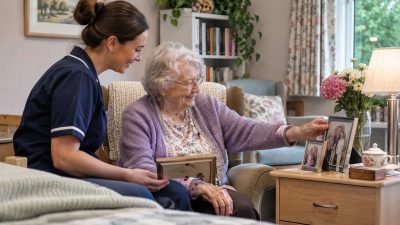 Ageing can bring changes in mobility, eyesight, hearing, physical strength, and cognitive functioning. The World Health Organization (WHO) identifies supportive physical environments as an important part of healthy ageing. For residential care facilities and geriatric treatment units, thoughtful room design can help older adults maintain their independence while receiving appropriate care.


